Maintaining Food Safety: A Detailed Guide to Manufacturing Requirements in the Food Industry
Ensuring food safety is a critical responsibility in the food industry. Adherence with established regulations protects public health and establishes consumer confidence. Understanding the complexities of these requirements is essential for manufacturers. This guide details the foundational aspects of food safety compliance. It highlights key regulations, best practices, and the role of training. As the industry advances, new technologies could transform standards. What implications might these changes have for future compliance initiatives?
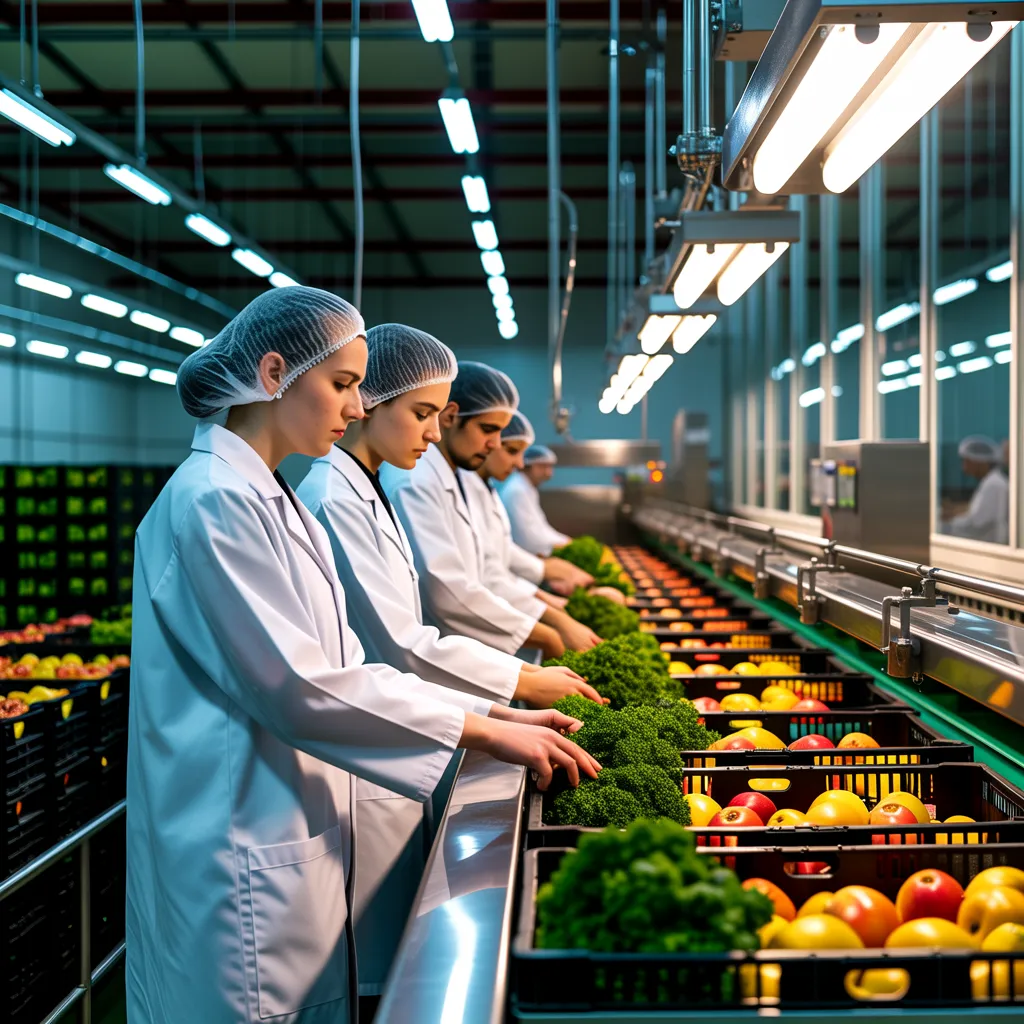
Comprehending the Significance of Food Safety Adherence
Compliance with food safety standards is key to protecting public health and keeping consumer trust in the food supply. Observance of safety standards prevents foodborne illnesses, which can lead to serious health consequences for individuals and communities. Being compliant requires thorough practices such as correct handling, storing, and preparing food, guaranteeing that products are safe to eat.
Moreover, food safety compliance upholds the soundness of the food supply chain by requiring transparency and accountability from producers. It fosters a climate of responsibility among food manufacturers, prompting them to stress safety measures throughout the manufacturing cycle.
In a competitive market, companies that prioritize compliance not only reduce risks linked to contamination but also improve their standing among consumers. This dedication can lead to increased consumer devotion and trust in their products. In the end, understanding the importance of food safety compliance is vital for the well-being of consumers and the longevity of the food industry.
Key U.S. Rules Shaping Food Manufacturing Adherence
In the domain of food manufacturing, adherence to important U.S. regulations is essential for ensuring product safety and compliance. This encompasses an overview of FDA regulations, the adoption of Hazard Analysis Critical Control Point (HACCP) standards, and strict compliance to labeling requirements. Comprehending these regulations is crucial for manufacturers seeking to meet industry standards and safeguard consumer health.
FDA Regulatory Guidelines Examination
While traversing the intricacies of food manufacturing, understanding FDA regulations is crucial for compliance and safety. The Food and Drug Administration (FDA) supervises various aspects of food production, including labeling, ingredient safety, and good manufacturing practices. Key regulations include the Food Safety Modernization Act (FSMA), which stresses preventive controls to mitigate foodborne illness risks. Additionally, the Federal Food, Drug, and Cosmetic Act sets standards for food safety and quality. Compliance with these regulations requires manufacturers to establish rigorous documentation and monitoring processes. Non-compliance can lead to severe penalties, including recalls and legal action. As a result, remaining knowledgeable about FDA regulations is essential for food manufacturers aiming to maintain consumer trust and safeguard public health.
HACCP Deployment Standards
Adopting Hazard Analysis Critical Control Point (HACCP) systems is essential for food manufacturers aiming to enhance food safety and compliance. This deliberate methodology identifies conceivable hazards in the manufacturing cycle and institutes critical control points to mitigate dangers. Food manufacturers must conduct a extensive hazard analysis, determining biological, chemical, and physical hazards pertaining with their products. Establishing critical limits for each control point is vital, paired with monitoring techniques to verify compliance. Documentation constitutes a pivotal role, requiring manufacturers to retain records of their HACCP plans, monitoring activities, and corrective actions. Coaching employees on HACCP principles is also vital for effective implementation. Adherence to these guidelines not only complies with U.S. regulations but also fosters consumer trust in food safety practices.
Labeling Requirements Adherence
Labeling mandates are critical in food manufacturing compliance, as they verify that consumers secure accurate and transparent information about the wares they purchase. In the United States, the Food and Drug Administration (FDA) and the United States Department of Agriculture (USDA) establish exacting standards governing food labels. These regulations span important facets such as ingredient lists, nutritional information, allergen warnings, and product claims. Compliance with these labeling standards is imperative, as non-compliance can lead to considerable legal repercussions and jeopardize consumer trust. Manufacturers must regularly scrutinize and update their labels to reflect any changes in formulation or regulations. Consequently, adherence to labeling requirements is vital for upholding both consumer safety and brand integrity in the food industry.
Optimal Processes for Verifying Food Safety Conformity
To guarantee regulatory food safety adherence, businesses must establish consistent sanitation education initiatives for all staff members. Additionally, strict oversight procedures should be put in place to copyright and track safety standards throughout the manufacturing operations. These procedures are essential for reducing potential hazards and fostering a culture of safety within the food industry.
Standard Wellness Sanitation Courses Offerings
While food safety compliance is vital for any food establishment, regular hygiene training programs serve as a foundational element in achieving this goal. These programs ensure that all employees are proficient in the latest hygiene practices, including proper handwashing techniques, safe food handling, and contamination avoidance. Ongoing education helps to strengthen a culture of safety and awareness, markedly reducing the risk of foodborne illnesses. Furthermore, periodic revisions to training materials keep staff informed about evolving regulations and best practices. Implementing a systematic approach to hygiene training, including assessments and refresher courses, can further improve adherence. Ultimately, investing in these programs not only meets regulatory requirements but also fosters consumer trust and satisfaction.
Stringent Quality Assurance Protocols
Maintaining strict quality control measures is essential for upholding high standards in food safety compliance. These measures involve a methodical process to monitoring and evaluating every phase of food production, from raw material sourcing to final product distribution. Implementing rigorous testing protocols ensures that products meet safety standards and remain free from contaminants. Furthermore, regular audits and inspections are indispensable in identifying potential hazards and non-compliance issues before they escalate. Staff training on quality assurance practices emphasizes the importance of vigilance in food safety. By fostering a culture of accountability and continuous improvement, manufacturers can effectively address risks, boost product quality, and full article maintain compliance with regulatory requirements, ultimately protecting consumer health and brand integrity.
Common Food Safety Problems and How Can They Be Mitigated?
Numerous food contamination risks can compromise community safety, making it vital to recognize and address these hazards. Common contaminants feature biological, chemical, and physical contaminants. Biological threats, such as bacteria, viruses, and parasites, commonly stem from inadequate food handling or insufficient cooking. Control measures feature complete cooking, suitable cold storage, and routine hand hygiene.
Chemical hazards may stem from pesticide residues, cleaning agents, or food additives. To mitigate these risks, manufacturers should comply with strict guidelines for chemical use and provide extensive ingredient labeling.
Physical hazards comprise foreign objects including glass, metal, or plastic that may inadvertently enter food products. Establishing strict quality control measures and using proper containment methods can help reduce these risks. By identifying and addressing these typical dangers, food manufacturers can improve product safety, ensuring that the products reaching consumers are safe and meeting health regulations.
Why Training Is Crucial for Food Safety Adherence
Effective training is indispensable for guaranteeing food safety compliance, as it equips employees with the knowledge and proficiencies vital to recognize and resolve potential hazards. Thorough training schemes encourage a culture of food safety within organizations, empowering staff to understand regulations and gold standards. When employees are thoroughly educated, they can effectively identify risks such as cross-pollution, improper storage, and deficient sanitation procedures.
Moreover, instruction ensures that staff understand the significance of individual cleanliness and its impact on food safety. Consistently refreshed educational initiatives are essential to stay aligned with changing requirements and sector benchmarks. This ongoing learning not only enhances compliance but also reduces the likelihood of foodborne illnesses, safeguarding both customers and the brand's image. Ultimately, investing in thorough training is a proactive measure that fortifies the complete food safety system within a business.
Steps to Record and Report Food Safety Properly
A comprehensive training curriculum equips staff with understanding and stresses the significance of record keeping in food safety protocols. Effective written records operates as an vital mechanism for maintaining compliance and ensuring accountability. Employees should be instructed to correctly document important data, including source materials, production methods, and sanitization procedures.
Routine reviews of these files can help recognize potential dangers and opportunities for enhancement. Furthermore, setting up a clear chain of communication enables swift notification of food safety issues, allowing for immediate corrective measures. Documentation should include incident reports, corrective actions taken, and verification of conformance with safety procedures.
Applying digital tools can optimize this undertaking, rendering information accessible and logically arranged. All told, comprehensive record systems and reporting frameworks nurture a ethos of protection, advancing directness and assurance among stakeholders and compliance agencies in the same way. This deliberate methodology is imperative for upholding the greatest quality in food safety obligations.
Future Patterns in Food Safety Regulation and Technology
Emerging patterns in food safety compliance and technology are altering the landscape of the industry. The incorporation of artificial intelligence and machine learning is improving predictive analytics, allowing manufacturers to spot potential hazards before they escalate. Blockchain technology is becoming a essential tool for ensuring transparency in supply chains, enabling traceability from farm to table. Additionally, the adoption of IoT devices is enabling real-time tracking of environmental conditions, ensuring that food products are maintained and transported under ideal conditions.
Furthermore, government agencies are increasingly emphasizing electronic documentation platforms, streamlining compliance processes. As public consciousness expands, there is a increasing need for enhanced food safety certifications, compelling companies to adopt stricter requirements. Finally, the focus on sustainability is driving advancements in container solutions and refuse handling, increasingly connecting product security with environmental responsibility. Collectively, these trends signify a revolutionary period in food safety compliance, driven by digital solutions and changing market demands.
Regularly Asked Queries
What Certifications Exist for Food Handling Compliance in Fabrication?
Numerous accreditations exist for food safety compliance in manufacturing, including ISO 22000, HACCP, SQF, BRCGS, and FSSC 22000. Each accreditation emphasizes varied elements of safety, quality, and regulatory compliance within the food manufacturing sector.
How Can Small Businesses Finance Compliance Measures?
Small firms can manage compliance measures by prioritizing cost-effective training, seeking financial aid, utilizing streamlined processes, and engaging with professional groups for assistance, thereby cutting costs while maintaining core food safety standards.
What Function Do Buyers Assume in Food Security?
Consumers function as an important component in food safety by calling for transparency and rigorous standards. Their decisions persuade manufacturers to stress compliance, building a safer food environment while supporting accountability and quality throughout the food supply chain.
How Regular Should Food Safety Audits Be Implemented?
Food safety inspections should be conducted at least annually, though more regular evaluations—every three months or twice yearly—are advantageous for identifying potential risks and guaranteeing adherence with regulations, ultimately enhancing overall food safety practices within the facility.
How Must I Respond if a Food Safety Breach Is Identified?
After identifying a food handling breach, immediate corrective action needs to be put into effect. This includes logging the matter, contacting appropriate staff members, implementing necessary changes, and performing subsequent inspections to guarantee compliance and eliminate future incidents.
Comments on “Explore quality management systems”